
The history of WIP
WIP is a social network for makers — a place to share your daily progress and keep each other accountable. It launched publicly in September 2017, but I’d been circling the same idea in different forms for much longer than that. Here’s the timeline of prototypes, mockups, and half-built products that eventually turned into WIP.
February 2014
The idea of “Attaboy” was for makers to share what they are working on and keep each other motivated throughout the development process. It was email-based and never got any traction. Seems familiar though, right? 🤔🚧
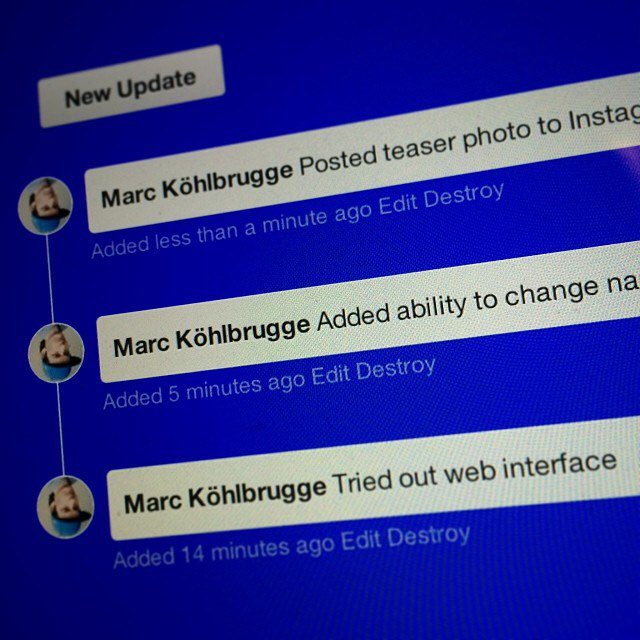
Later that month
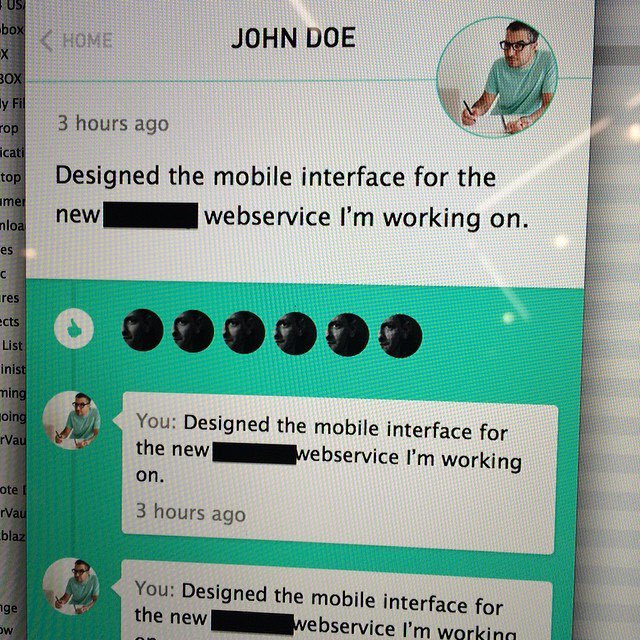
A mock-up for a mobile app. I figured maybe email wasn’t the right medium. I never built the app though — didn’t have the coding skills, nor market validation.
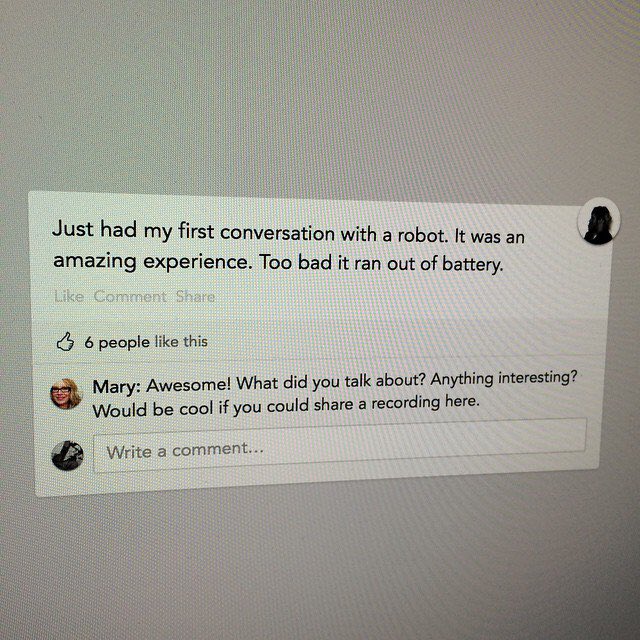
February 2015 — a year later
You can’t tell from the cryptic copy in the design mock-up, but this was an iteration of the same idea. I got it fully built, but it proved to be over-engineered and I never felt it was good enough to launch. 🤷♂️
April 2016
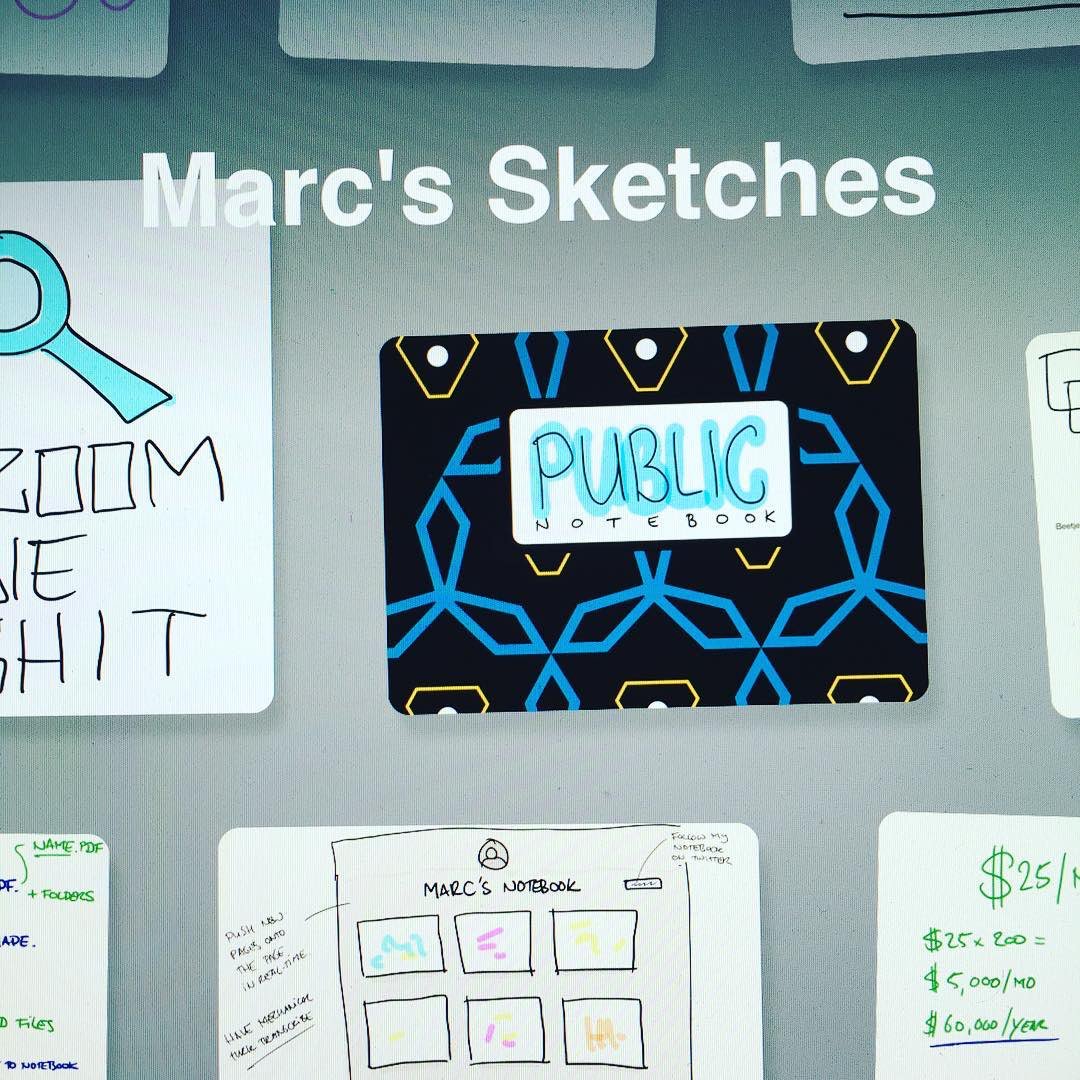
A different, but related idea. What if you could share your sketches, wireframes, and mockups to get feedback on? Truly building in public.
I built it, but lost motivation pretty early on so I never launched it. Repeating theme. 😂
September 2017
@levelsio suggests I start a Telegram group for BetaList.
A few days later, people start sharing their completed tasks. So I built a bot and a simple website. I renamed the chat and WIP is born.
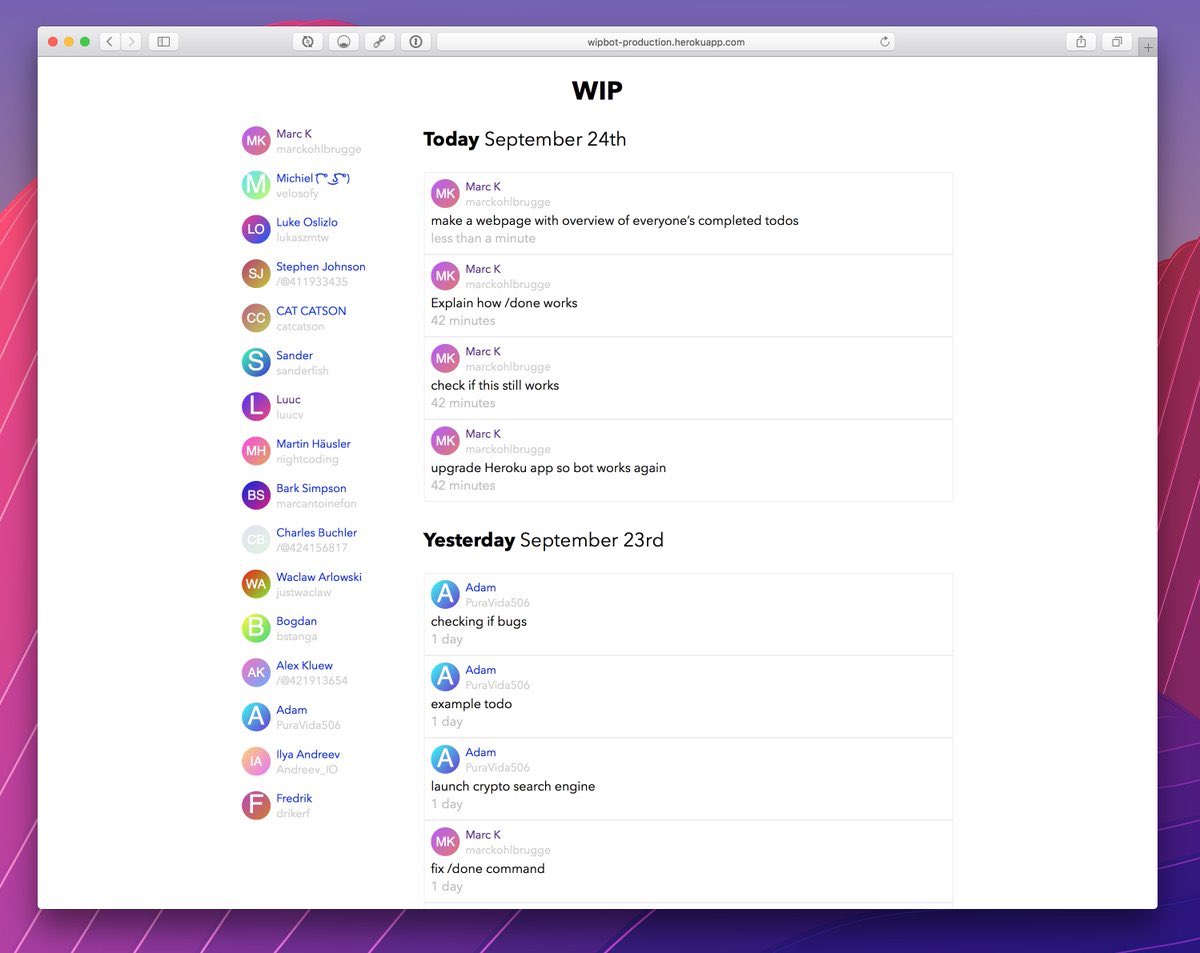
Today
WIP is helping hundreds of makers achieve their goals of building profitable businesses, is doing a few thousand dollars in monthly recurring revenue, and is distributing the best memes in town. #humblebrag
(FWIW, I only included a selection of prototypes, sketches, and related products. I actually tried many more approaches such as changelog.co and others.)
Related things I made that led to WIP
Back in the days before Slack was a thing, I experimented with a $7/mo chat community on 37signals’ Campfire team chat service. While there was some interest, it proved difficult getting to critical mass — crucial for real-time chat.
Another thing that influenced WIP is a quick prototype I made for Telegram. It was supposed to record short podcasts through the chat app. I was able to use that codebase as a starting point for WIP — it already had the Telegram integration I needed. If it wasn’t for that codebase I might not have bothered creating that initial WIP prototype.
Lessons learned
- Just because your idea doesn’t work right now in its current form doesn’t mean it won’t work later in perhaps a slightly different form.
- Even if a product doesn’t work out, you can still gain insights that will help inform your next product.
- Some of the hardest yet most important insights to gain are insights into customer needs and behavior. You will only get these if you actually ship the damn product.
- For the reasons above it makes sense keeping the product scope small early on. (I know I’m like a broken record on this, but it’s so important it bears repeating.)
- Managing your own psychology is crucial as well. Know the things that motivate, scare, and bore you. My pitfall is over-engineering and running out of motivation before the product is ready to ship. Solution: smaller scope + accept seeming ignorant to obvious product shortcomings.
It’s 1am, I’m eating McDonald’s delivery, and making tons of grammar errors. Signing out.
Here's where I try to convince you to subscribe to my newsletter so I become less dependent on Twitter and other media when publishing new blog posts or launching new projects.
I will email a few times per year. You can opt out anytime.